
EXPLORE MY WORK
Where to begin.
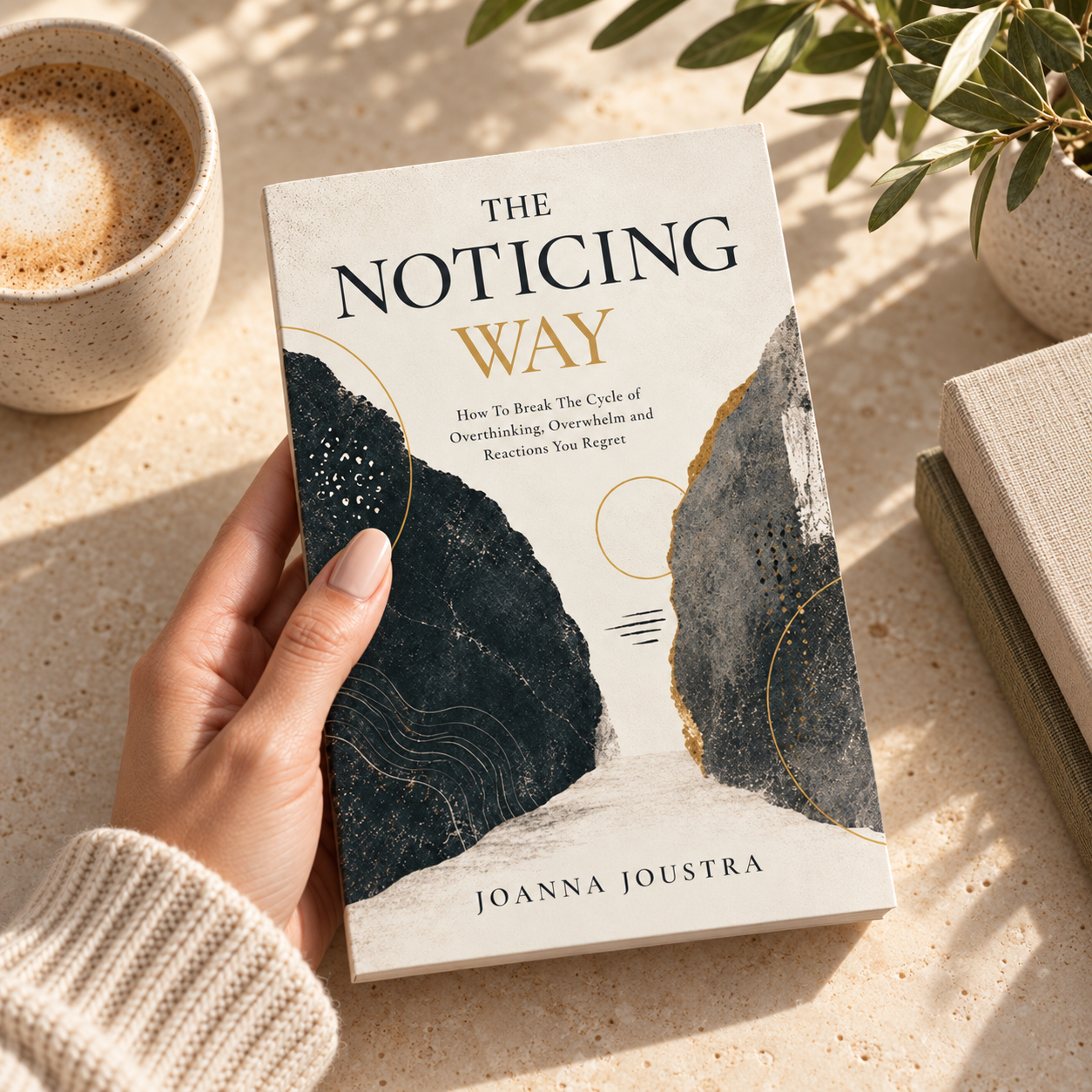
My books.
Psychological and relational writing about how experience is shaped, why familiar patterns can become hard to shift and how noticing earlier can create more room for care, choice and connection.
VIEW BOOKS

My courses.
Practical learning experiences that help people recognise patterns earlier, understand what happens when minds become overextended, and develop more skilful ways of responding within themselves, with others and at work.

My speaking.
Keynotes and conversations that translate complex ideas about consciousness, reactivity and human behaviour into practical insights people can use to recognise patterns earlier, respond more skilfully and create meaningful change.
GET IN TOUCH
PSYCHOTHERAPIST
AUTHOR
EDUCATOR
Work with me.
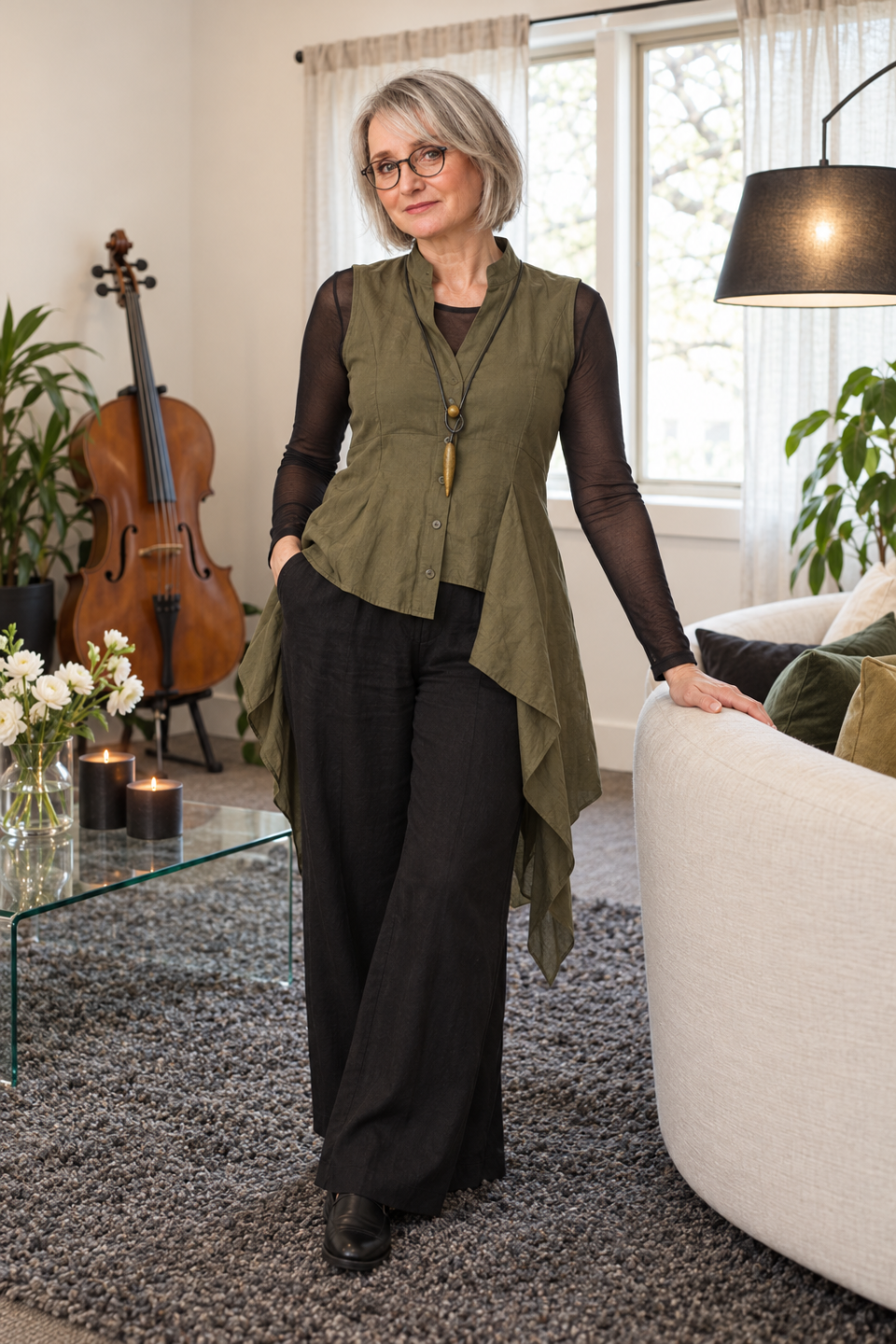
I’m Joanna Joustra, a practising psychotherapist, relationship counsellor, author and educator, with ten years of clinical experience and three decades in contemplative practice and education.
My work sits at the intersection of psychology, the study of consciousness and contemporary understandings of how experience is shaped. I’m particularly interested in what happens before familiar patterns of thinking and reaction become established, and in how greater awareness at those earlier points can support more flexible ways of responding.
A large part of my work is translating complex ideas into practical ways of understanding ourselves and each other. That work led to The Noticing Way, a framework developed through years of clinical and educational practice.
Today, I write, teach and speak about psychological and relational literacy, the overextended mind, and the small moments in which greater awareness can create more room for care, choice and connection.
My aim is to make these ideas useful well beyond the therapy room — in everyday life, professional practice and organisations.
Why noticing earlier matters.
Many approaches begin with meaning that has already formed. The Noticing Way begins with the conditions from which meaning is forming.
Much of what shapes our reactions happens quickly and automatically. The brain uses past experience to anticipate what is happening and what may happen next, and those predictions can begin shaping bodily state, attention and behaviour before we are fully aware of them.
By the time a thought, story or reaction feels obvious, the pattern may already have gathered momentum. The Noticing Way works with the earlier shifts in body, mood, attention and thinking — the small changes that can signal a familiar response is beginning.
Rather than only making sense of what happened afterwards, we can learn to recognise earlier points of influence — before the habitual cascade of reaction takes over.
In predictive-processing terms, this is a shift in precision: new information can begin to modify the prediction shaping the moment, allowing experience to update without needing to think our way out of it.
Over time, this can help us recover more quickly, become less carried by the first interpretation and respond with greater care and flexibility.
THE NOTICING WAY
Three ways to work with the framework.

PERSONAL
Learn.
Explore practical ways to notice earlier, understand your patterns and respond with greater awareness, care and choice in everyday life.

PROFESSIONAL
Train.
Deepen your understanding of The Noticing Way and develop the skills to use the framework professionally with individuals or groups.

ORGANISATIONS
Grow.
Build psychological and relational literacy across teams, supporting earlier recognition of overload, clearer communication and more skilful responses under pressure.
What people have noticed.
“We did it together”
My wife and I completed the course together and were absolutely blown away by how easy the steps were to follow and understand.
~ Richard
“A quieter mind”
As a long-time overthinker, I was looking for something to help with my continuous inner dialogue. Joanna taught me new skills that help me respond differently to my busy mind.
~ Helen
“Simple tools”
The way you unpack and present the material makes it feel manageable. I now know what tool to pick up when I need it.
~ Gael
Subscribe for more
By subscribing, you agree to receive ongoing updates